Knoll Textiles
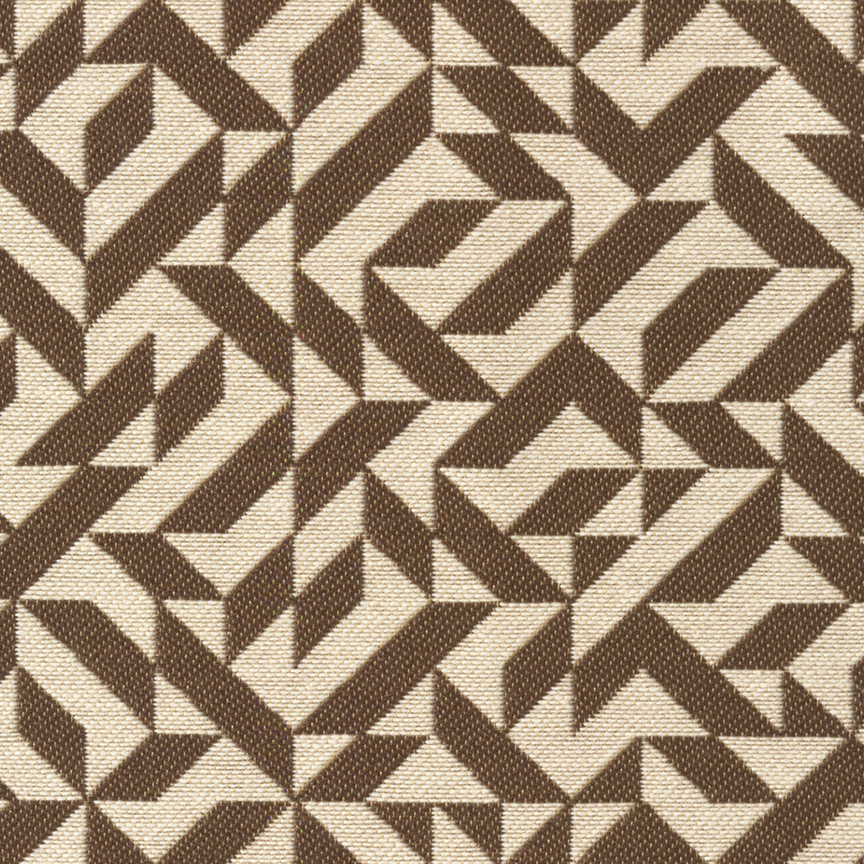
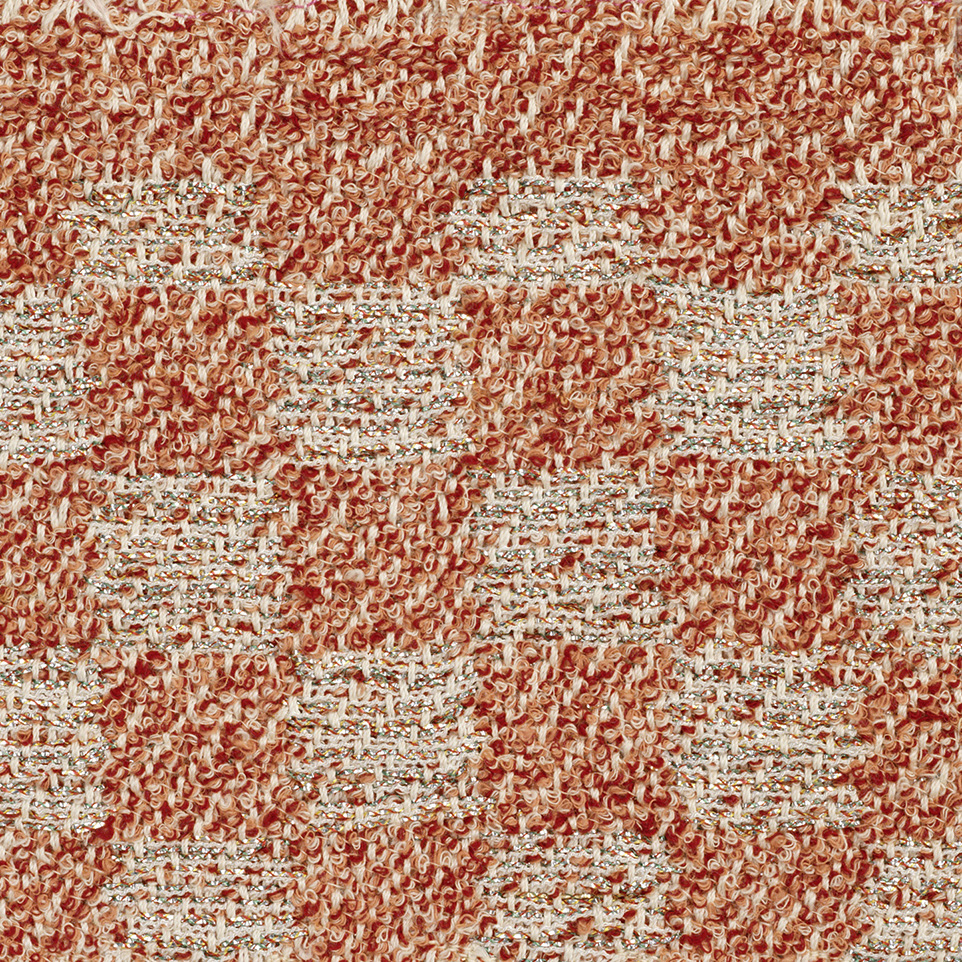
Eclat Weave, 1974
466773–005 Bark
K11045
34% Cotton, 34% Rayon, 32% Polyester
60,000 double rubs
005 Bark

006 Black

009 Forest

007 Hickory

008 Ocean

003 Pine

002 Scarlet

004 Silver

001 Tangerine

Eclat Weave, 1974
466773
Application
Seating
Note: This textile is available as a made-to-order pillow.
Price
Product Introduction
June 2007
Content: 34% Cotton, 34% Rayon, 32% Polyester
Finish: PFAS-Free Water Repellent
Backing: None
Width: 54" (137cm)
Repeat: 10 1/2" V, 7" H
(27cm V, 18cm H)
Bolt Size: 50 yards (46m)
Weight: 17.5 oz/ly (500 gr/lm)
Country of Origin: USA
© 2007 Knoll, Inc.W/S-Clean with water-based cleanser or mild, water-free dry cleaning solvent.
Certifications and Compliance:
Greenguard Gold Certified
REACH Compliant
Content:
Contains Bio-Based Content
Chemicals:
FR Free
3 years. See Terms and Conditions for more information.
Anni Albers (1899-1994, Germany) was a German-American textile artist, printmaker, and pioneer of twentieth-century modernism. Albers attended the Bauhaus Weaving Workshop from 1922-1927 and became a teacher at the Bauhaus in 1929. After the closing of the Bauhaus, Anni, along with her husband Josef Albers, immigrated to the United States to teach at Black Mountain College in North Carolina and finally made their home in Connecticut where Josef taught at Yale University. Albers dedicated her life to the practice and research of textiles, publishing numerous essays on design theory and history. In 1949, the Museum of Modern Art (New York) featured Albers' weavings in the first museum exhibition of its kind. Her weavings and wallcoverings have since been heralded for their use of alternative materials such as plastic and metal.
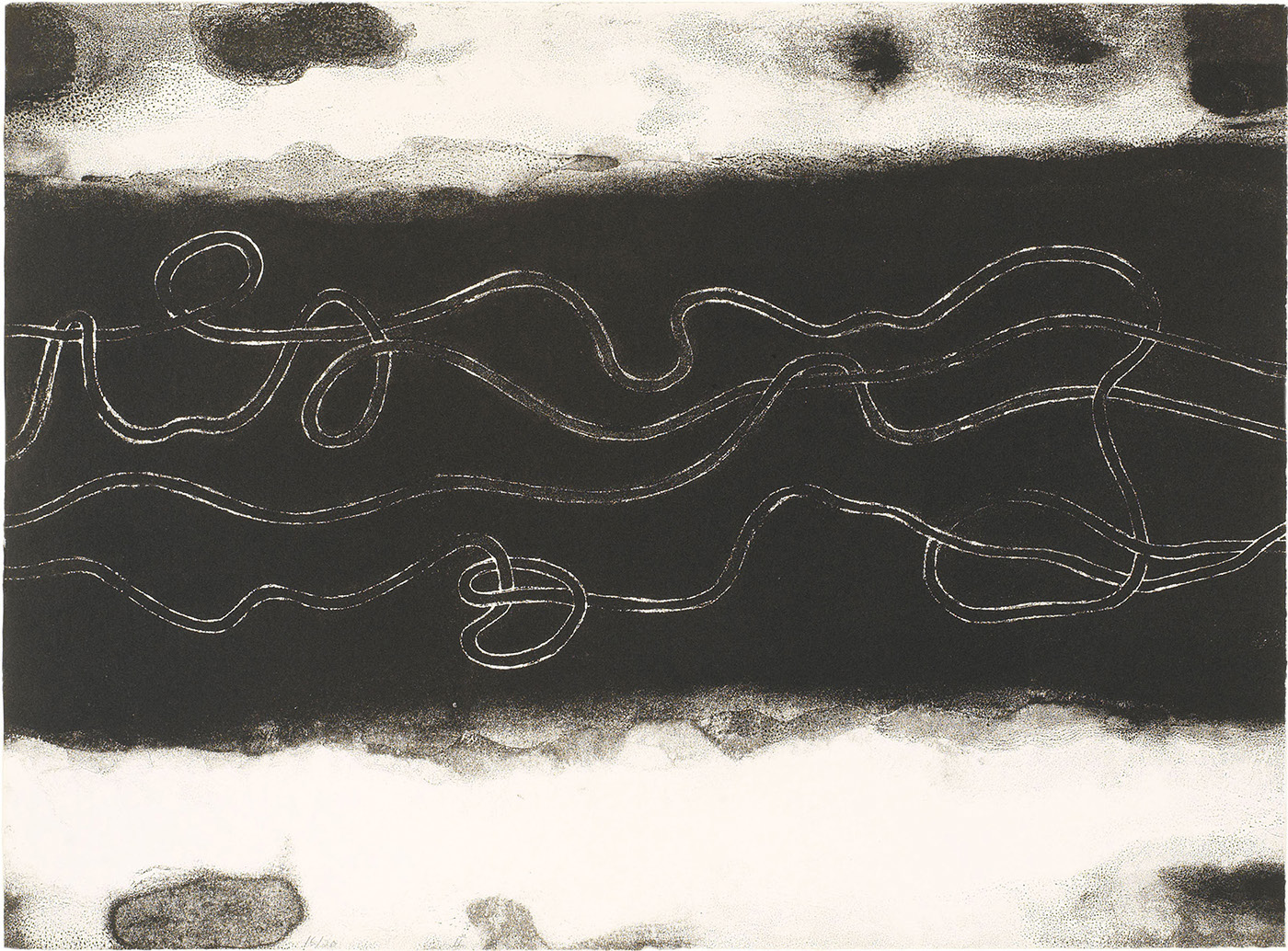
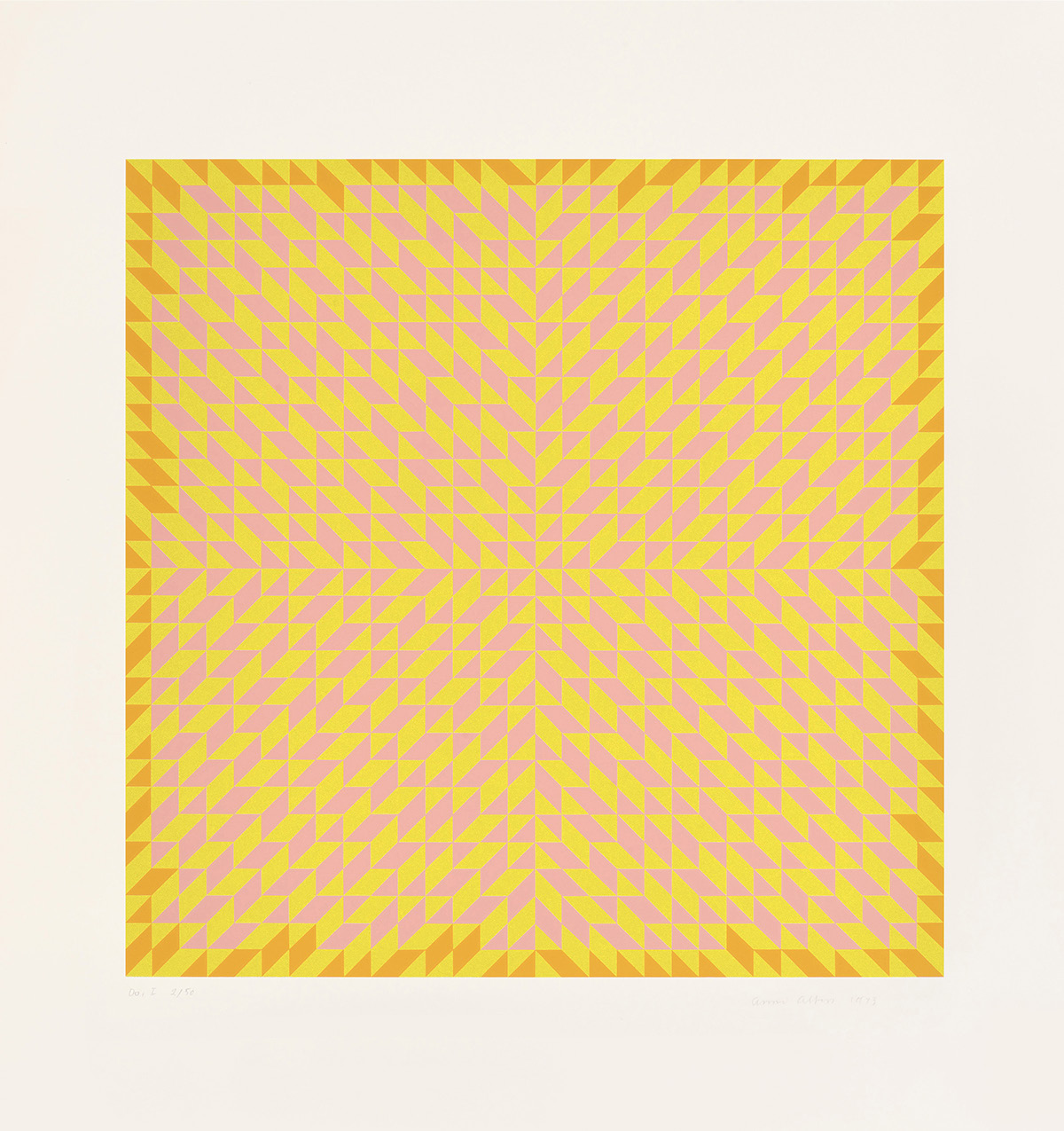
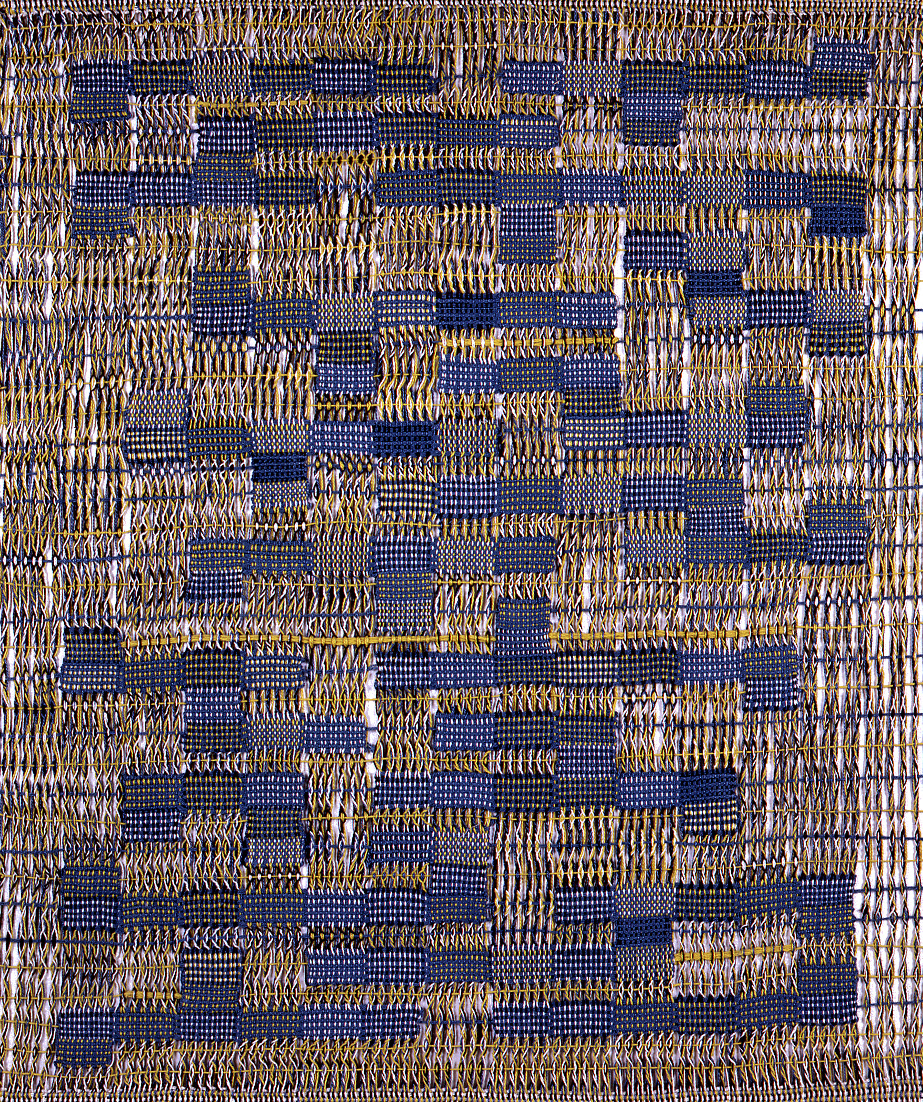
Works by Anni Albers
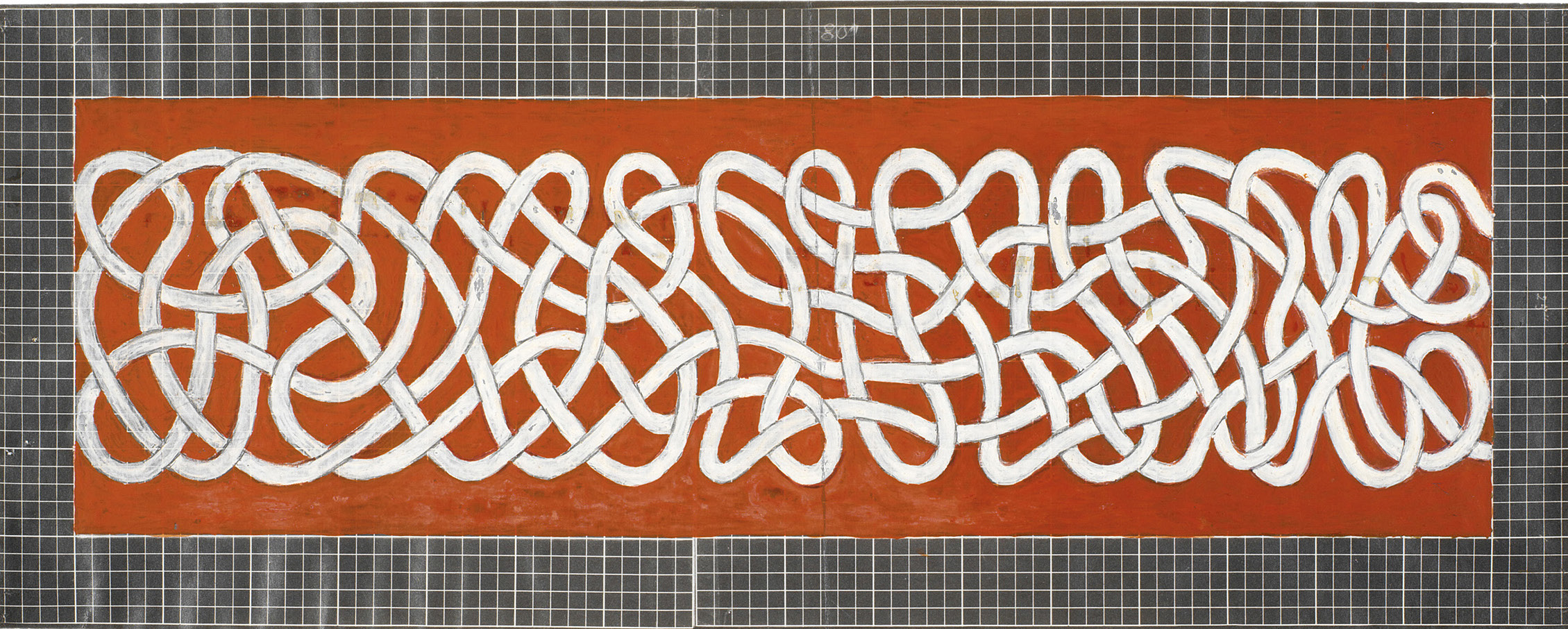
 Images: © 2015 The Josef and Anni Albers Foundation/Artists Rights Society (ARS), New York. Photography (clockwise, fourth from top) by Eva Heyd.